
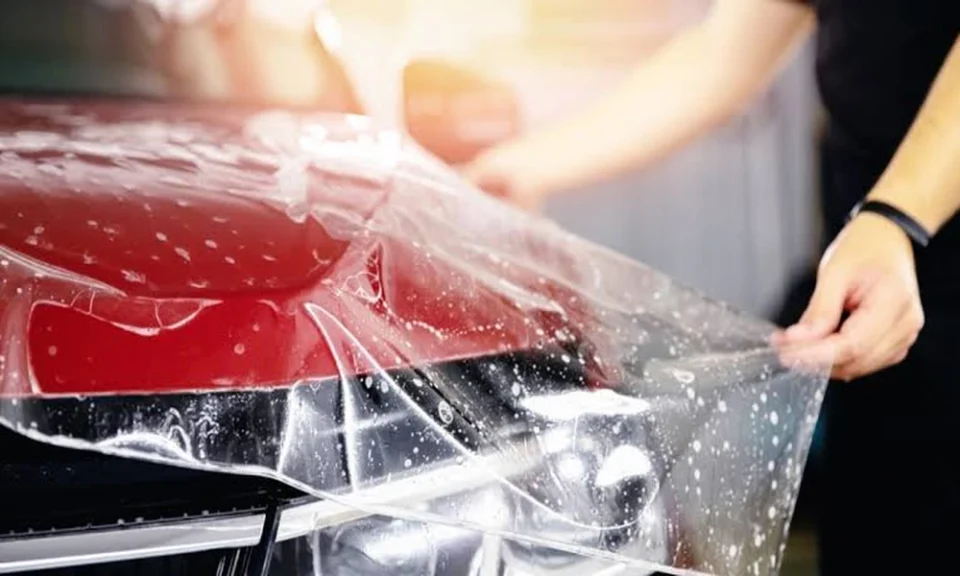
Colorado Springs drivers deal with a combination of road and weather conditions that is tougher on paint than most parts of the country. Between gravel shoulders on mountain roads, seasonal hail, and some of the most intense UV exposure in the country at altitude, factory clear coat takes a beating faster here than in milder climates. Understanding exactly what local conditions are working against your paint helps explain why paint protection film has become such a common upgrade among local owners rather than a niche add on.
How Does High Altitude Sun Affect Car Paint?
UV exposure increases with elevation, since there is less atmosphere to filter it out before it reaches the surface below. At Colorado Springs’ elevation, that means noticeably stronger UV intensity than a car would experience at sea level, even on a similar sunny day. Over time, that extra exposure accelerates oxidation in factory clear coat, leading to fading, dullness, and eventually a rougher texture that is more prone to trapping dirt and grime.
Does Altitude Really Make That Much of a Difference?
UV intensity climbs a measurable amount for every thousand feet of elevation gained, and that difference compounds year after year for a car parked outside. It is not usually dramatic in the first few months, but owners who compare a five year old car kept in Colorado Springs to one kept somewhere at lower elevation often notice a clear difference in paint depth and color richness.
What Road Conditions Are Hardest on Paint Locally?
Mountain routes around the area often mix chip seal surfaces and loose gravel shoulders, both of which kick up small rocks that chip paint on the front bumper and hood leading edge. Winter sanding and gravel used for ice control adds another layer of abrasive debris to daily commutes long after the snow itself has melted. Highway driving on routes like I-25 compounds this further, since following distance rarely prevents every rock kicked up by the vehicle ahead.
What Role Does Paint Protection Film Play for Local Drivers?
For drivers researching clear bra colorado springs options, the appeal usually comes down to addressing these specific local stresses directly rather than relying on factory clear coat to hold up on its own. Film absorbs the impact from rock chips and road debris before it reaches the paint, which matters enormously on a daily commute that regularly crosses gravel shoulders or chip seal surfaces. It also holds up better against the accelerated UV exposure that comes with the area’s elevation, since quality film is engineered to resist yellowing far longer than clear coat alone.
Which Parts of the Car Need It Most?
The front bumper and hood leading edge take the brunt of rock chip damage on most vehicles, followed by side mirrors and rocker panels for drivers who spend significant time on mountain routes. A partial front end package covering these areas addresses the highest risk zones without the cost of wrapping the entire vehicle.
Does Film Help With Hail as Well as Rock Chips?
Film adds a small amount of cushioning that can reduce minor surface scuffing during a light hail event, but it is not a substitute for dedicated hail protection like covered parking. Its main job is absorbing the constant, smaller impacts from daily driving rather than the concentrated force of a direct hail strike, so it is worth thinking about the two risks separately rather than expecting film to solve both.
How Long Does Paint Protection Film Typically Last?
Quality film installed correctly typically holds up for five to ten years before it needs replacing, though that range depends heavily on how much direct sun exposure and road debris a vehicle sees on a daily basis. Given the added UV intensity and road conditions common around Colorado Springs, film here tends to show wear on the shorter end of that range compared to milder, lower elevation climates, which is worth factoring into expectations from the start.
What Are the Early Warning Signs Film Needs Attention?
Yellowing along the edges, small bubbles forming under the surface, or a hazy appearance that does not clear up after washing are all signs the film is nearing the end of its useful life. Catching these signs early makes replacement cleaner, since film that has started lifting can sometimes pull small flecks of clear coat with it if left too long.
The conditions that make Colorado Springs beautiful to drive through, mountain roads, high elevation sun, and dramatic weather, are the same ones that wear down paint faster than average. Film addresses the daily wear that factory clear coat was never built to handle indefinitely, which is why it has become such a common upgrade locally rather than something reserved for exotic cars.
