
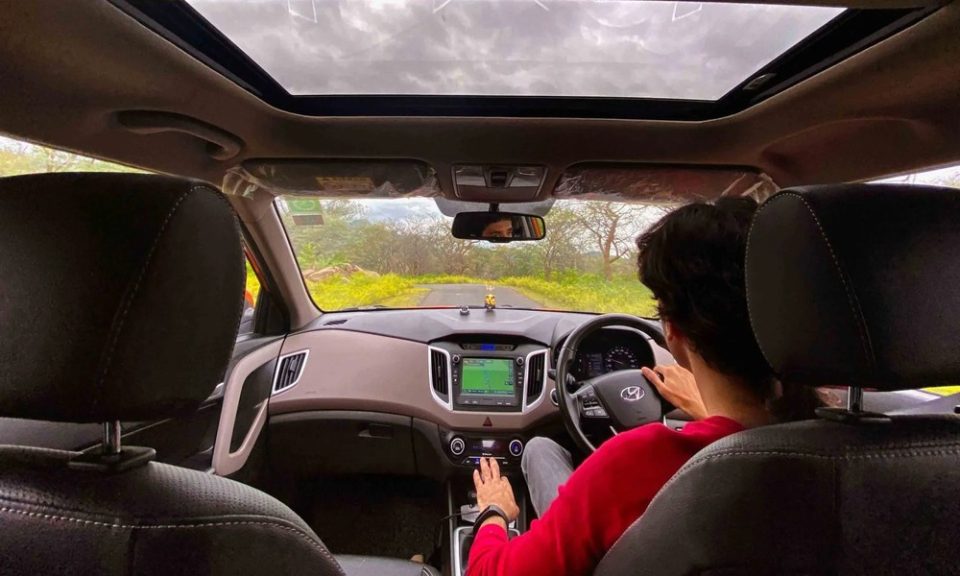
There’s a certain point in life where you realize your vehicle isn’t just transportation anymore. It becomes part gear hauler, part mobile basecamp, and part survival kit for the chaos that comes with outdoor adventures. Whether you’re heading into the mountains for a weekend ride, driving deep into the desert for camping, or loading up the family for a national park road trip, the right upgrades can completely change the experience.
And honestly, once you start spending more weekends outside, you notice pretty quickly which setups actually work and which ones just look good on Instagram.
I’ve seen people spend thousands lifting a truck and adding aggressive tires, only to struggle loading basic gear because they never thought through storage or organization. Meanwhile, someone else with a relatively simple SUV setup cruises through the same trip with less stress because everything has a place.
That’s really what good vehicle upgrades are about: making outdoor travel easier, safer, and more enjoyable.
Roof Storage That Actually Makes Sense
Roof storage is one of those upgrades that feels optional until your trunk starts overflowing with coolers, backpacks, camping gear, helmets, chairs, and whatever else your friends decided to throw in at the last minute.
A quality roof rack or cargo box creates breathing room inside the vehicle. More importantly, it keeps dirty or bulky gear out of the cabin. Wet tents, muddy boots, recovery boards – they don’t belong next to snacks and sleeping bags.
The key is choosing the right system for how you actually travel.
For example, hard-shell cargo boxes are excellent for long highway drives because they’re weather-resistant and more aerodynamic. Soft rooftop bags are cheaper and easier to store but can become a hassle in bad weather or heavy wind.
If you’re serious about overlanding or extended camping trips, modular rack systems from brands like Yakima or Thule can make a huge difference because they allow you to mount bikes, kayaks, cargo baskets, rooftop tents, and accessories all on the same platform. Their guides are also genuinely useful if you’re trying to understand weight limits or rack compatibility.
Don’t Ignore Recovery Gear
A lot of people think recovery gear is only for hardcore off-roaders. It’s not.
Even mild outdoor travel can put you in situations where traction disappears fast. Muddy campsites, snowy trailheads, loose sand near lakes – it happens more often than people expect.
At minimum, every outdoor-focused vehicle should probably carry:
- A portable air compressor
- Jumper cables or a jump starter
- A recovery strap
- A compact shovel
- Tire repair tools
You don’t need to turn your SUV into a rock crawler. But being able to handle small problems yourself saves time and prevents minor issues from becoming expensive disasters.
Portable air compressors are especially underrated. Airing down tires improves traction on dirt or sand, and reinflating afterward is much easier when you’re not hunting for a gas station in the middle of nowhere.
The folks at Tread Lightly! also have solid recommendations for responsible outdoor travel and trail etiquette, which honestly more people should read before heading into public lands.
Interior Organization Is More Important Than Horsepower
This might sound boring compared to suspension upgrades or big tires, but interior organization changes everything on longer trips.
If you’ve ever spent 20 minutes digging through bags trying to find a flashlight while everyone waits impatiently in the dark, you already know this.
Simple upgrades can make a huge difference:
- Drawer systems
- Seat-back organizers
- MOLLE storage panels
- Under-seat lockboxes
- Collapsible bins
- Fridge slides for coolers
The goal is reducing friction. Every outdoor trip involves enough unpredictability already. Your vehicle setup shouldn’t add more chaos.
Personally, I’ve become a huge fan of keeping frequently used items accessible without unpacking the entire vehicle. Headlamps, tools, snacks, first-aid supplies, chargers – they should all be reachable within seconds.
Sounds obvious, but you’d be surprised how many adventure rigs look impressive while functioning terribly in real life.
Bike Transportation Matters More Than People Think
Transporting bikes is one of the easiest ways to ruin a trip if your setup isn’t solid.
Traditional hanging racks work fine for casual use, but once you start carrying heavier mountain bikes, e-bikes, or multiple bikes for family trips, things get complicated quickly. Clearance issues, bike sway, loading difficulty, and rear access become real frustrations.
That’s why a lot of riders are moving toward a vertical bike rack system instead. Vertical loading keeps bikes more compact behind the vehicle, improves ground clearance, and makes it easier to carry multiple bikes without turning your SUV into a parking nightmare.
Honestly, the first time you load several bikes onto a properly designed vertical system, you realize how inefficient many older rack styles really are.
This becomes especially important for families or riding groups where loading speed matters. Nobody wants to spend 45 minutes untangling handlebars in a trailhead parking lot while everyone else is already geared up and ready to ride.
Lighting Upgrades Are Worth Every Penny
Factory headlights are often… fine. But “fine” isn’t exactly reassuring when you’re driving mountain roads at night or navigating remote forest routes after sunset.
Better lighting improves both safety and fatigue levels during long drives.
A few worthwhile upgrades:
- LED headlight conversions
- Fog lights
- Ditch lights
- Interior cargo lighting
- Portable camp lights
One thing people underestimate is how useful interior lighting becomes during camping trips. Small LED cargo lights inside the rear hatch area make loading gear at night dramatically easier.
And if you regularly camp or travel in remote areas, auxiliary lighting can genuinely improve safety during poor weather conditions.
The National Park Service also has a good resource section on night driving safety and wildlife awareness, especially for rural travel areas where animal collisions become more common. National Park Service
Tires Change Everything
You can make an argument that tires are the single most important upgrade for any outdoor vehicle.
Not because aggressive tires look cool – though people definitely love that part – but because they directly affect:
- Traction
- Comfort
- Durability
- Confidence
- Off-road capability
The trick is balancing performance with daily drivability.
Some mud-terrain tires are incredible off-road but loud and unpleasant on pavement. All-terrain tires usually offer a much better compromise for people who still drive their vehicle every day.
And let’s be real: most outdoor enthusiasts aren’t crawling over boulders every weekend. They’re driving forest roads, gravel routes, snowy highways, and campground access trails.
A good all-terrain tire handles those conditions beautifully without making your daily commute miserable.
Portable Power Makes Modern Camping Easier
Portable battery systems have quietly become one of the best upgrades for outdoor travel.
Years ago, camping meant either going completely without power or running noisy generators. Now, compact lithium power stations can charge phones, camera batteries, laptops, lights, mini-fridges, and even small cooking appliances.
For remote workers or families traveling longer distances, this changes the experience entirely.
Brands like Jackery and EcoFlow have made portable power far more practical and accessible than it used to be.
And honestly, even if you’re trying to “disconnect,” having backup power available for emergencies is just smart.
Suspension Upgrades: Helpful, But Don’t Overdo It
This is where people can get carried away.
A mild suspension upgrade can improve ride quality, ground clearance, and load handling. But massive lifts often create more compromises than benefits unless you genuinely need them.
Bigger lifts usually mean:
- Worse fuel economy
- Higher center of gravity
- More expensive tires
- Reduced daily comfort
- More wear on suspension components
For most outdoor enthusiasts, a modest lift combined with quality tires is more than enough.
There’s nothing wrong with building an extreme rig if that’s your hobby. But for practical adventure travel? Simplicity tends to win.
The Best Upgrade Is the One You’ll Actually Use
This is probably the most important thing people forget.
The best vehicle upgrades aren’t always the flashiest or most expensive. They’re the ones that genuinely improve your trips.
Sometimes that’s a better bike rack. Sometimes it’s a drawer system that saves your sanity. Sometimes it’s simply upgrading tires before winter arrives.
Outdoor travel should feel freeing, not exhausting.
And honestly, once your vehicle setup starts working with you instead of against you, you spend less time managing gear and more time actually enjoying the places you drove there to see.
