
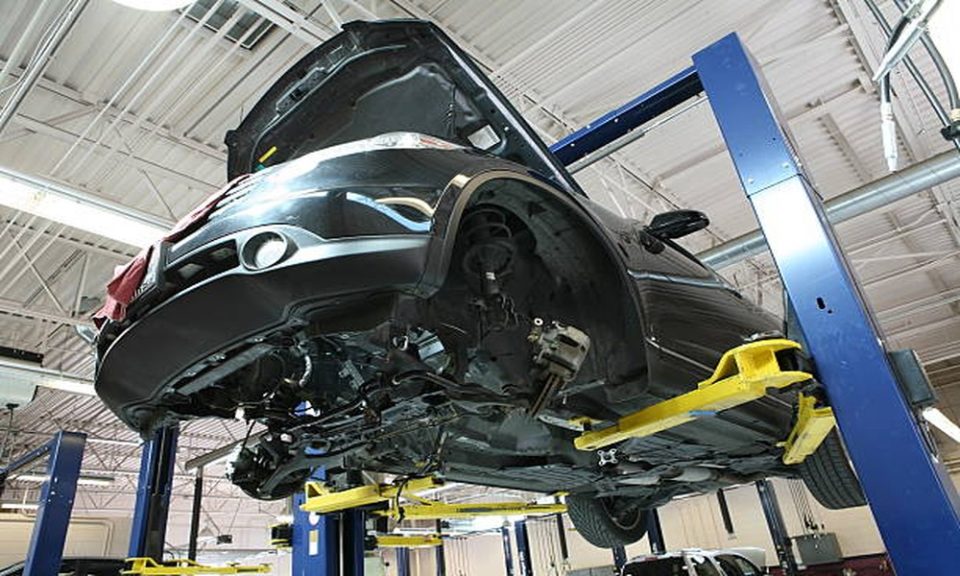
The repair process usually starts extensive before any tools touches the vehicle. A damaged fender catches attention while parked outside a grocery store. Scratches become easier to notice during morning commutes. After receiving an estimate, drivers sometimes spend part of the evening searching through photographs and trying to learn more about what happens after a vehicle enters a restoration facility. The damage may be visible, but the actual work often remains hidden behind service bay doors for days or even weeks.
Fresh Damage Looks Different Under Bright Shop Lights
A vehicle arrived shortly after opening hours with damage along the passenger side.Outside, the marks seemed limited to a few dents and scraped paint. Inside the repair facility, technicians positioned inspection lights near the damaged panels. Reflections revealed additional imperfections that had blended into the paint outdoors. Small creases became visible. Tiny paint fractures appeared near the edge of a wheel arch.The owner stood quietly nearby while notes filled another page of the repair file.
Repair Bays Rarely Stay Quiet
Movement continued throughout the day.Air tools sounded briefly before fading into the background. A technician carried replacement parts across the workshop floor. Another employee rolled a cart filled with supplies toward a vehicle waiting for repairs. Some vehicles remained untouched while insurance approvals moved through review. Others progressed quickly as technicians completed one task after another.The atmosphere changed constantly, even though every vehicle seemed to follow a different timeline.
Cardboard Boxes Started Appearing Everywhere
Near the back wall, several shipments waited to be opened.One contained a replacement bumper. Another held trim components protected by foam packaging. A third delivery included a new headlight assembly. Labels showed different delivery dates, creating a collection of parts that belonged to several vehicles at once.Some repairs paused while waiting for missing pieces. Nearby vehicles moved ahead because every required component had already arrived.By afternoon, locating the original dent required a closer look.
Paint Booth Doors Opened Near Closing Time
Preparation work finished earlier in the day.Later, a freshly painted vehicle emerged from a separate work area where lighting, temperature, and airflow remained carefully controlled. The finish reflected overhead lights evenly. Another inspection followed outside.During conversations about repair updates and delivery schedules, vehicle owners occasionally stop to learn more about paint matching because the process often involves more attention than expected.
The Vehicle Looked Familiar Again
Delivery day felt different from inspection day.Keys returned to their owner. The repaired vehicle sat outside rather than inside a service bay. Reflections moved smoothly across newly repaired panels. Replacement parts blended naturally with surrounding surfaces.The damage that originally brought the vehicle to the facility no longer attracted immediate attention.
Details Noticed During Restoration
- Replacement parts often arrive on different days.
- Inspection lights reveal damage not visible outdoors.
- Repair files continue growing throughout the process.
- Paint inspections happen more than once.
- Final walkarounds take longer than expected.
FAQs
Why can repair schedules change after inspections?
Additional damage sometimes appears after panels or components are removed.
Can small dents require significant repair time?
Certain dents demand careful adjustments even when the damage appears minor.
Eventually the paperwork gets filed away, the repair photos stay buried inside a phone gallery, and the vehicle returns to everyday parking spaces looking much closer to how it did before the damage ever happened.
