
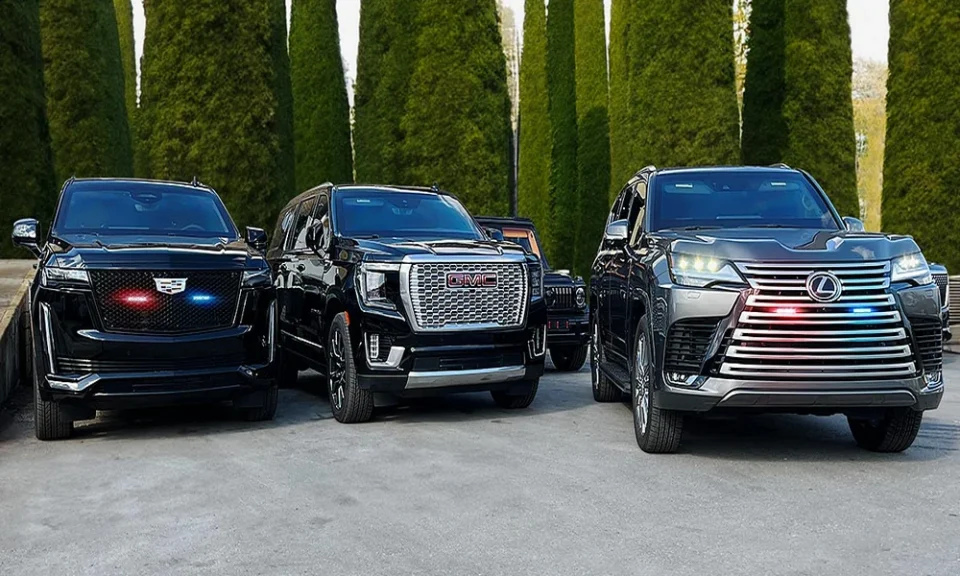
The hum of a luxury SUV barely hints at the silent strength hidden beneath its paint. What looks like a standard vehicle can be a fortress, meticulously engineered to shield its occupants from the unthinkable. Civilian armored SUVs have evolved far beyond their military roots, blending cutting-edge protection with the driveability and style expected by modern drivers.
The Origins of Civilian Armored Vehicles
Early Uses and Military Influence
Armored vehicles first gained prominence during world wars, where reinforced steel and bulletproof glass saved lives on the battlefield. These early innovations were heavy, cumbersome, and functional above all else. When governments began protecting diplomats and heads of state, military-grade armor found its way onto civilian vehicles.
Transition from Military to Civilian Protection
As security concerns grew for private citizens, especially in high-risk regions, the desire for civilian armored SUVs surged. Unlike their military counterparts, the civilian versions needed to maintain comfort and discretion, leading to a new era of engineering challenges and creative solutions.
Evolution of Armored SUV Design
From Basic Reinforcements to Advanced Ballistic Materials
The first civilian armored SUVs relied on simple steel plating and thick glass. Today, the industry uses lightweight composite materials, multi-layered ballistic glass, and aramid fibers. These innovations provide equivalent or superior protection without overwhelming the chassis or dragging down performance.
Integration of Modern Automotive Technologies
Modern armored SUVs incorporate advanced automotive systems, from adaptive cruise control to lane-keeping assistance. Engineers must redesign and sometimes relocate sensors, cameras, and electronics so every feature operates flawlessly despite the added armor.
Balancing Armor and Vehicle Performance
One of the top priorities is ensuring that protection does not come at the expense of performance. Manufacturers reengineer suspensions, brakes, and powertrains so these vehicles remain agile, responsive, and comfortable, even with the additional weight.
Engineering Challenges in Armored SUVs
Weight Management and Suspension Upgrades
Armor is inherently heavy, and every additional pound strains a vehicle. To counteract this, manufacturers upgrade suspension systems, often using reinforced springs and dampers, to handle the load while preserving ride comfort and stability.
Maintaining Vehicle Maneuverability and Speed
An armored SUV must be able to accelerate quickly and handle evasive maneuvers in dangerous situations. Upgraded brakes and high-output engines are essential, ensuring that an increase in mass does not turn a protective vehicle into a slow-moving target.
Ensuring Structural Integrity Without Compromise
The process of armoring involves more than just adding protection. Engineers reinforce frames and pillars, ensuring that the structure remains sound even during a high-impact event. Every modification is tested to ensure it does not compromise crash safety or reliability.
Key Protective Features and Innovations
Ballistic Glass and Armor Plating Technologies
Ballistic glass, often several centimeters thick and layered with polymers, resists multiple rounds from handguns and rifles. High-grade steel and composite armor panels are strategically placed, covering doors, roofs, and critical components.
Blast Resistance and Undercarriage Protection
To defend against explosives, armored SUVs feature reinforced undercarriages and run-flat tires. Blast-resistant floors and fuel tanks are standard in higher-risk environments.
Advanced Security Systems and Electronic Countermeasures
Modern vehicles include surveillance cameras, emergency escape options, and electronic jamming systems to prevent vehicle hacking or tracking. These layers of technology offer peace of mind against evolving threats.
Customization Based on Threat Level and Usage
Tailoring Armor to Regional Threat Assessments
Not all armored SUVs are built alike. Manufacturers assess regional threats, whether the risk is small arms fire or more serious explosives, and tailor protection accordingly.
Luxury vs. Tactical Armoring Priorities
Some clients prioritize a seamless luxury experience, integrating opulent interiors and amenities, while others require tactical features like smoke screens or siren systems. The balance between subtlety and tactical functionality depends on the client’s lifestyle and risks.
Client Collaboration in Vehicle Specification
Every project involves close collaboration. Clients discuss their concerns and intended uses, guiding engineers to deliver a bespoke solution that blends protection, comfort, and individual style.
Manufacturing and Quality Assurance Processes
Material Selection and Industry Standards
Only industry-tested materials make the cut. Rigorous standards demand the use of certified ballistic steel and glass, ensuring consistent protection across models and manufacturers.
Testing Procedures for Safety and Durability
Each vehicle undergoes a battery of ballistic and blast tests, simulating real-world attacks. Only after passing these extreme trials will an armored SUV earn its certification.
Ensuring Long-Term Reliability and Maintenance
Protection is worthless if it falters over time. Manufacturers design armored SUVs for years of reliable use, with accessible maintenance and support networks. Regular inspections keep every feature in peak condition.
The Future of Civilian Armored SUVs
Emerging Technologies in Materials and Design
Expect to see even lighter, stronger armor as nanomaterials and smart glass become mainstream. These materials promise improved safety and less compromise in vehicle handling.
Autonomous and AI-Enhanced Security Features
The next wave will bring AI-enhanced surveillance, predictive threat detection, and semi-autonomous driving tailored for threat scenarios.
Environmental Considerations and Efficiency Improvements
As electric SUVs become more common, armored variants will follow. Lighter materials and more efficient powertrains will make eco-friendly, high-protection vehicles a reality.
For those seeking expert guidance or state-of-the-art protection, resources like the Troy Armoring civilian armored suv demonstrate how top manufacturers blend uncompromising safety with luxury and performance. The future of armored SUVs lies not just in safeguarding lives, but in redefining what protection can look and feel like on the open road.
