
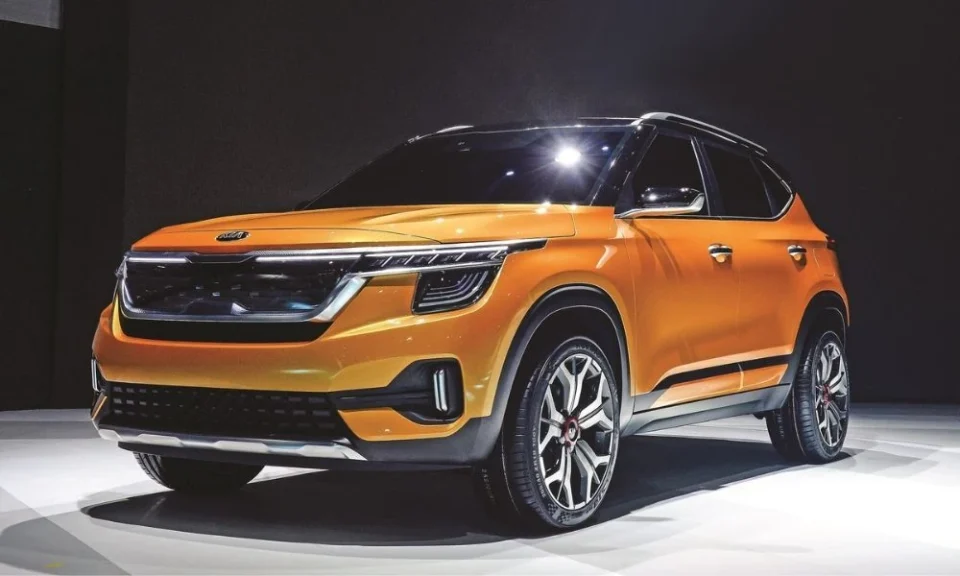
The first few minutes with a used SUV can be misleading. The body may look clean, the cabin may feel fresh, and the vehicle may seem ready to go. None of that tells the whole story.
A closer look is what separates a quick impression from a useful inspection. For someone searching vaughan automotive maverick toyota, the same basic idea applies. The vehicle sitting in front of the buyer deserves more attention than the name on the badge.
Do the features fit everyday life?
A driver who regularly carries passengers may care about seating and cabin space. Someone who moves bulky items may be more interested in cargo room. Another buyer might care more about drivetrain equipment because of the roads and conditions they expect to encounter.
The important thing is not simply having more features. It is having the features that will actually get used.
That becomes easier to judge when comparing individual vehicles. A shopper looking at vaughan automotive maverick toyota can use the available equipment as part of the comparison, but the equipment should still be considered alongside condition, history and intended use.
A test drive can change the picture
Photos cannot tell a buyer how a vehicle feels from behind the wheel.
The test drive does not have to be dramatic. Ordinary driving is enough. Notice how the SUV starts moving, how it responds when slowing down, how the steering feels and whether the driving position feels natural.
Try the controls while parked too. Some things are surprisingly easy to overlook when attention is fixed on the road.
Listen as well.
An unfamiliar sound does not automatically mean there is a major fault. It does mean the buyer should ask about it rather than simply dismissing it. The buyer is not expected to diagnose the vehicle during a test drive. Noticing something unusual is already useful.
Keep a few notes while looking at the SUV
A simple checklist can help when several vehicles are being considered.
- Exterior condition and anything that needs an explanation
- Wear inside the cabin
- Mileage compared with the vehicle’s age
- Available service and history information
- Equipment that matters for normal driving
- Comfort and visibility from the driver’s seat
- Anything unusual noticed during the test drive
- Questions that still need an answer
The list does not need to be long.
In fact, a short list is probably better. It keeps attention on things that can actually affect the decision instead of turning the visit into a search for every possible detail.
Compare the vehicle, not just the model
Two SUVs carrying the same model name can still be very different vehicles.
One may have been used for short daily trips. Another may have spent much more time carrying loads or travelling longer distances. Their equipment can differ too. So can their condition and maintenance history.
That is why model reputation should not replace an inspection.
A buyer can start with a particular model in mind and still discover that one individual vehicle makes more sense than another. The reverse can happen too. A vehicle that looks attractive online may become less appealing once its condition, equipment or history is examined closely.
This is where patience helps.
There is no need to decide everything from the first impression.
Condition is part of the vehicle’s identity
A used SUV should not be judged from a distance.
The listing gives a starting point. The inspection adds physical evidence. The history provides background. None of this requires turning a dealership visit into a mechanical investigation.
A clean exterior may catch the eye first, but the more useful details tend to appear later. They are in the service records, the worn driver’s seat, the equipment that actually suits the owner’s routine, the sound heard during a test drive, or the question that comes up while walking around the vehicle.
A used SUV becomes easier to judge once those details are treated as parts of the same picture. The model name gets the search started. The individual vehicle is what has to earn the buyer’s attention.
