
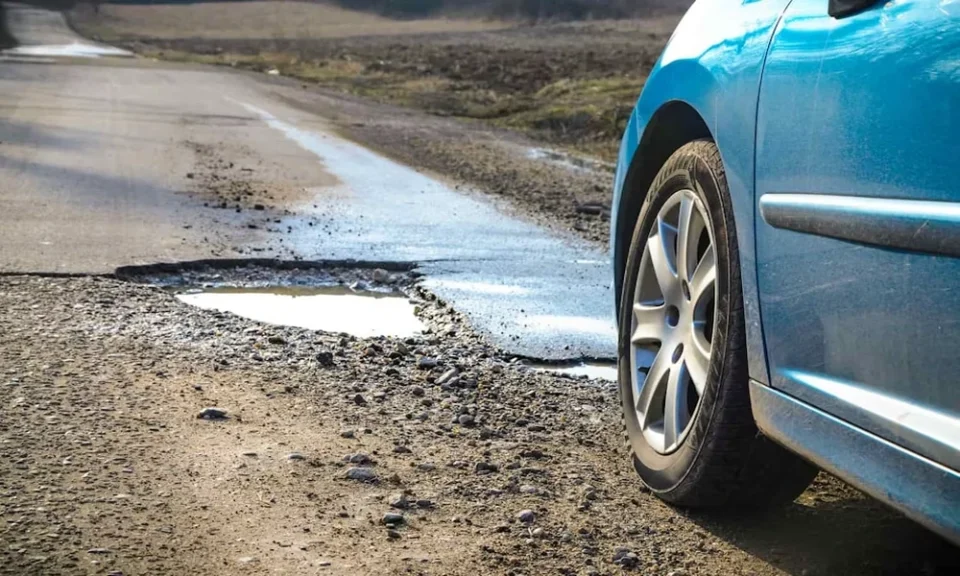
Hitting a pothole can feel like a small driving inconvenience, but the impact can affect more than comfort. A hard knock from a pothole can place sudden force on tyres, wheels, suspension parts, steering components, and wheel alignment. Sometimes the damage is obvious straight away. Other times, the car may only feel slightly different at first.
If your car starts pulling to one side, vibrating, clunking, sitting unevenly, or feeling unstable after a pothole impact, it is worth taking the signs seriously. For Sydney drivers, where road surfaces can change quickly after rain, roadworks and heavy traffic, Suspension Repair In Sydney can help identify whether the impact has affected shocks, struts, control arms, bushes, ball joints, tyres or alignment.
Even when the car still drives, small suspension damage can lead to tyre wear, poor handling and reduced braking stability if left unchecked.
Why Potholes Can Damage a Car
A suspension system is designed to absorb normal road movement, but a pothole creates a sudden drop and impact. The tyre falls into the hole and then strikes the edge as the wheel comes out. That sharp force travels through the tyre, wheel, suspension, and steering system.
The harder the impact, the more likely it is to affect components. Speed, pothole depth, tyre pressure, vehicle weight and wheel size can all influence how much stress is placed on the car.
Low-profile tyres and larger wheels can sometimes be more vulnerable because there is less tyre sidewall to absorb the impact.
The Car Pulls to One Side
One common sign after hitting a pothole is the car pulling left or right. This may suggest the wheel alignment has shifted, or a suspension or steering part has been knocked out of position.
Pulling can make the car harder to keep straight, especially at higher speeds. It can also cause uneven tyre wear because the tyres are no longer meeting the road at the correct angle.
Some drivers try to adjust by holding the steering wheel slightly off-centre, but that does not solve the underlying problem.
Steering Wheel Is No Longer Straight
If the steering wheel sits crooked while driving straight, alignment may have changed. This often happens after a heavy impact with a pothole, kerb or road edge.
An off-centre steering wheel may seem minor, but it can indicate that the wheels are not aligned properly.
Over time, poor alignment can shorten tyre life and make the vehicle feel less controlled.
New Clunking or Knocking Noises
A new clunk, knock, or rattle after a pothole hit should not be ignored. These sounds may come from worn or damaged suspension parts such as sway bar links, control arm bushes, strut mounts, ball joints or shock absorbers.
The noise may be more noticeable when driving over speed humps, turning into driveways, braking at low speed, or travelling over uneven roads.
Noises often become worse if the damaged part continues to move under load.
Vibration After a Pothole Impact
Vibration can come from wheel damage, tyre damage, wheel balance issues or suspension problems. Some vibrations are felt through the steering wheel, while others are felt through the seat or floor.
If vibration appears at certain speeds, it may be related to wheel balance or tyre shape. If it happens over bumps or while braking, suspension or brake components may also be involved.
A visual check may not always show the issue, especially if the wheel is slightly bent or the tyre has internal damage.
Tyre Bulges and Sidewall Damage
After a heavy impact, the tyre sidewall should be checked carefully. A bulge, bubble, cut, or split in the sidewall can mean the tyre structure has been weakened.
This can be dangerous because a damaged tyre may fail while driving.
Tyre sidewall damage is not always repairable. If a bulge is visible, the tyre should be inspected before the car is driven further.
Wheel Damage
Potholes can bend or crack wheels, especially alloy wheels. A bent wheel may cause air leaks, vibration, or uneven tyre contact.
Sometimes the damage is on the inner edge of the wheel and not easy to see without lifting the vehicle.
If tyre pressure drops after hitting a pothole, wheel or tyre damage may be the cause.
Shock Absorber and Strut Damage
Shock absorbers and struts help control how the vehicle moves after bumps. If they are damaged or already worn, a pothole impact can make symptoms more noticeable.
The car may bounce more than usual, feel loose through corners, dip during braking, or take longer to settle after a bump.
Leaks around shock absorbers or struts can also suggest wear or damage.
Control Arms, Bushes and Ball Joints
Control arms, bushes and ball joints help keep the wheels positioned correctly while allowing controlled movement. A hard pothole impact can damage or stress these parts.
Worn bushes may create clunks, loose steering or uneven tyre wear. Ball joint wear can affect steering control and should be treated seriously.
Because these parts are underneath the car, drivers may not notice damage until symptoms appear.
Uneven Ride Height
If one corner of the vehicle sits lower than the others after a pothole hit, there may be spring or suspension damage. A broken or weakened spring can affect ride height, handling, and comfort.
Uneven ride height can also place extra stress on tyres and suspension parts.
This should be inspected promptly because the car may not respond correctly in turns or sudden stops.
Braking Feels Different
Suspension condition affects braking stability. If the car feels unstable, pulls, nose-dives, or vibrates when braking after a pothole impact, the suspension, alignment, tyres, or brakes may need attention.
Braking and suspension systems work together to keep the tyres in contact with the road. When one system is affected, the other can feel different too.
Why You Should Not Wait Too Long
A small suspension issue can create a chain reaction. Poor alignment can wear tyres. Worn bushes can affect steering. Damaged shocks can reduce stability. Tyre damage can become unsafe.
Waiting until the problem becomes obvious may make repairs more expensive.
Early inspection can help identify whether the issue is minor or needs immediate attention.
What to Do After Hitting a Pothole
After a heavy pothole impact, drivers should listen for new noises, check whether the steering wheel sits straight, watch for pulling, look at tyre sidewalls and monitor tyre pressure.
If the car feels different, it is best to arrange an inspection rather than assume everything is fine.
This is especially important before highway driving or long trips.
How to Reduce Future Pothole Damage
Potholes cannot always be avoided, but some habits can reduce risk. Keep tyres correctly inflated, slow down on rough roads, avoid sudden swerving, maintain safe following distance and watch for water-filled holes after rain.
Regular suspension and tyre checks also help because worn parts are less able to absorb impact properly.
FAQs
Why does my car pull to one side after hitting a pothole?
The wheel alignment may have shifted, or a suspension or steering component may have been affected by the impact.
Can a pothole damage suspension?
Yes. A hard pothole impact can damage shocks, struts, bushes, control arms, ball joints, tyres or wheels.
Why is my steering wheel shaking after a pothole?
Steering wheel vibration may come from wheel damage, tyre damage, balance issues or suspension problems.
Should I check my tyres after hitting a pothole?
Yes. Look for sidewall bulges, cuts, pressure loss, or visible wheel damage.
Can pothole damage get worse over time?
Yes. If alignment, suspension, or tyre damage is ignored, it can cause uneven wear and affect handling.
Conclusion
A pothole impact can affect much more than ride comfort. It can change alignment, damage tyres, create suspension noises and make the vehicle feel unstable.
If your car feels different after hitting a pothole, early inspection can help protect tyres, steering, braking and overall safety. For Sydney drivers, paying attention to these signs can prevent small impact damage from becoming a bigger repair problem.
