
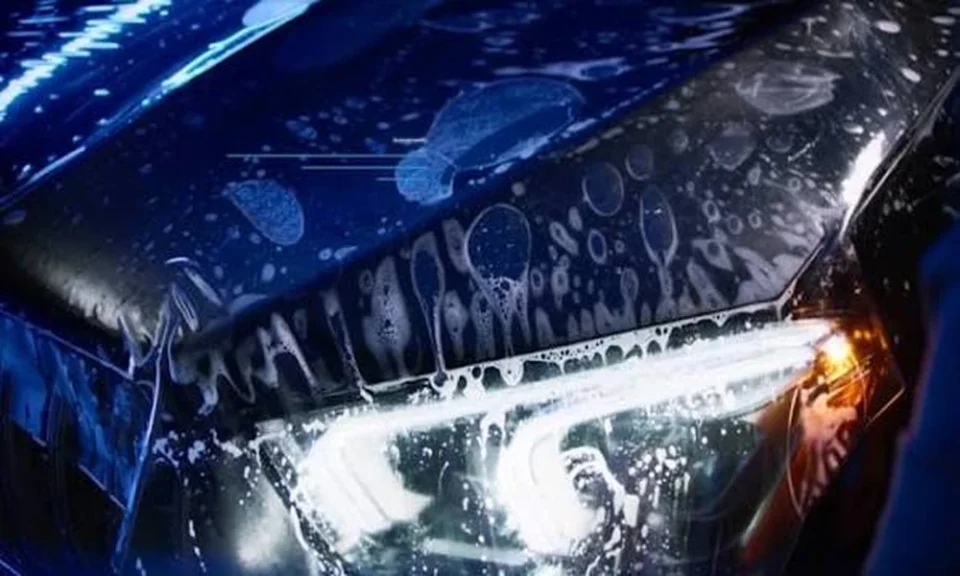
Paint protection film has moved well beyond the simple clear sheet once associated with luxury cars and showroom vehicles. Today, drivers can choose films with different finishes, thicknesses, textures, optical qualities, and application characteristics. This wider range has made customization an important part of selecting the right film.
The best paint protection film is not necessarily the most expensive product or the one with the longest list of features. It is the film that matches the vehicle, the driver’s expectations, and the conditions in which the car will be used. That is where customization becomes valuable.
A carefully selected film can protect vulnerable body panels while preserving the vehicle’s original appearance or subtly changing its visual character. Understanding how materials, finishes, coverage patterns, and installation requirements interact makes it easier to judge which options provide meaningful value.
Paint Protection Should Match Real Driving Conditions
Every vehicle experiences a different type of wear. A commuter travelling mainly on urban roads faces different hazards from someone regularly driving on motorways, gravel roads, or rural routes.
The front bumper, bonnet, mirrors, wheel arches, and lower doors are commonly exposed to stone chips and road debris. Vehicles driven long distances may experience significantly more impact damage in these areas. Meanwhile, cars that spend most of their time in cities may be more vulnerable to minor scratches, parking damage, and environmental contamination.
This is why a single approach does not work equally well for every car.
Some owners may only need protection across high-impact areas. Others prefer complete exterior coverage to create a more consistent finish and reduce the risk of visible differences between protected and unprotected panels.
Good suppliers recognize these distinctions. Rather than treating paint protection film as a generic accessory, they provide enough material and finish choices to support different types of installations.
Film Quality Begins With the Material
The underlying film material plays a major role in durability, appearance, and installation quality.
Modern premium paint protection films are commonly produced from thermoplastic polyurethane, often referred to as TPU. The material is valued for its flexibility, transparency, and ability to withstand everyday road exposure while conforming to complex vehicle surfaces.
However, not all TPU films perform identically.
Differences in raw materials, manufacturing consistency, top-coat technology, adhesive quality, and production controls can affect how a film behaves over time. A high-quality product should remain optically clear, resist premature discoloration, and maintain adhesion without creating excessive distortion.
Stretchability is also important. Installers frequently work around curves, recessed areas, sensors, body lines, and narrow edges. A film that stretches predictably allows the installer to achieve a cleaner result without placing unnecessary tension on the material.
These characteristics matter whether the film is being fitted to an entire vehicle or only to a few vulnerable panels.
Finish Options Can Change the Character of a Vehicle
Clear gloss film remains one of the most popular choices because it protects paint while maintaining the appearance of the original finish. On a well-maintained vehicle, a high-quality gloss film may even make the surface appear deeper and more reflective.
Yet clear gloss is no longer the only practical choice.
Matte and satin films have become increasingly popular among drivers who want a softer, less reflective appearance. These finishes can alter the character of factory gloss paint without requiring permanent refinishing. They can also protect factory matte paint, which often requires particularly careful maintenance because conventional polishing can change its appearance.
Textured and decorative films provide another level of personalization. Some products are designed to imitate carbon fibre or introduce subtle surface effects while still offering a protective layer.
The important point is that appearance should never be considered independently from performance. A visually attractive film still needs reliable adhesion, suitable flexibility, UV resistance, and a durable top coat.
Coverage Can Be Customized Around Vulnerable Areas
Customization is not limited to colour or finish. Coverage is equally important.
A partial installation may focus on the areas most likely to experience road damage. This commonly includes the front bumper, part or all of the bonnet, mirror caps, and front wings. The approach can provide practical protection while limiting installation costs.
Full-front coverage extends protection across the visible front surfaces of the vehicle, helping reduce noticeable differences between protected and unprotected sections.
Full-body installation offers the greatest level of surface coverage. This option is often chosen for high-value vehicles, unusual factory finishes, enthusiast cars, or vehicles whose owners simply want more comprehensive protection.
Additional areas can also be protected according to use. Door edges may benefit from film where they regularly contact walls or nearby cars. Luggage loading areas can be protected against scratches. Rocker panels and lower doors can receive extra attention on vehicles frequently exposed to loose road material.
The ability to choose coverage according to risk is one of the most practical advantages of modern PPF.
Self-Healing Technology Improves Everyday Appearance
Fine surface marks are almost unavoidable on a regularly used vehicle. Washing, drying, brushing against vegetation, and everyday handling can gradually leave light scratches across exposed paint.
Many modern films include self-healing top coats designed to reduce the visibility of minor surface marks when exposed to heat.
The technology should not be confused with complete damage repair. Deep cuts, punctures, or significant impacts will not simply disappear. Nevertheless, the ability to recover from light swirls and superficial scratches can help maintain a cleaner finish between detailing sessions.
When comparing suppliers, it is useful to look beyond broad self-healing claims. The overall quality of the top coat, resistance to staining, hydrophobic behaviour, and long-term clarity are equally important.
A balanced film needs to perform well in several areas rather than relying on one headline feature.
Installation Quality Is as Important as the Film
Even excellent material can produce disappointing results if it is poorly installed.
Paint protection film requires careful surface preparation, precise positioning, controlled stretching, and attention to edges. Dust, trapped moisture, stretch marks, visible seams, or lifting edges can quickly undermine the appearance of an otherwise good product.
Pre-cut patterns have made modern installation more accurate and efficient. Digital templates can be created for specific makes and models, reducing the need for excessive trimming directly on the vehicle.
However, installer skill still matters. Different vehicles have different panel shapes, tolerances, sensors, trim pieces, and difficult curves. Experienced installers know when a pattern can be applied directly and when small adjustments are needed to produce a cleaner finish.
For this reason, buyers comparing PPF suppliers should consider both product quality and the level of installation support available.
Supplier Consistency Matters for Professional Installers
For detailing studios and professional installers, film consistency becomes particularly important.
A product that behaves differently from one roll to another creates unnecessary difficulty. Changes in adhesive tack, stretch behaviour, surface clarity, or release liner quality can slow installation and make results harder to predict.
Reliable suppliers therefore need good manufacturing controls as well as attractive product specifications.
Technical information is also valuable. Installers should be able to understand the construction of the film, recommended installation methods, available dimensions, maintenance requirements, and warranty conditions.
Sample availability can help professionals evaluate a film before committing to larger quantities. Testing allows an installer to examine transparency, tack, stretch, edge behaviour, and finish under real workshop conditions rather than relying entirely on specifications.
Choosing Custom PPF With Long-Term Use in Mind
The most sensible approach is to start with the vehicle rather than the product catalogue. Consider how the car is driven, which panels are most exposed, what finish the owner wants to preserve, and how much coverage is genuinely useful.
Product construction, adhesive performance, top-coat durability, optical clarity, and installation compatibility should then be compared between suppliers. Companies such as ClearPro provide options for installers and vehicle owners exploring custom PPF configurations suited to different coverage and finish requirements.
Customization works best when it serves a practical purpose. A carefully chosen film can protect vulnerable surfaces, simplify long-term appearance maintenance, and allow drivers to retain or adjust the visual character of their vehicles without permanently altering the paint.
Ultimately, the best PPF is not defined by a single specification. It is the combination of appropriate material, thoughtful coverage, dependable manufacturing, and skilled installation that determines how well the film performs over years of everyday driving.
