
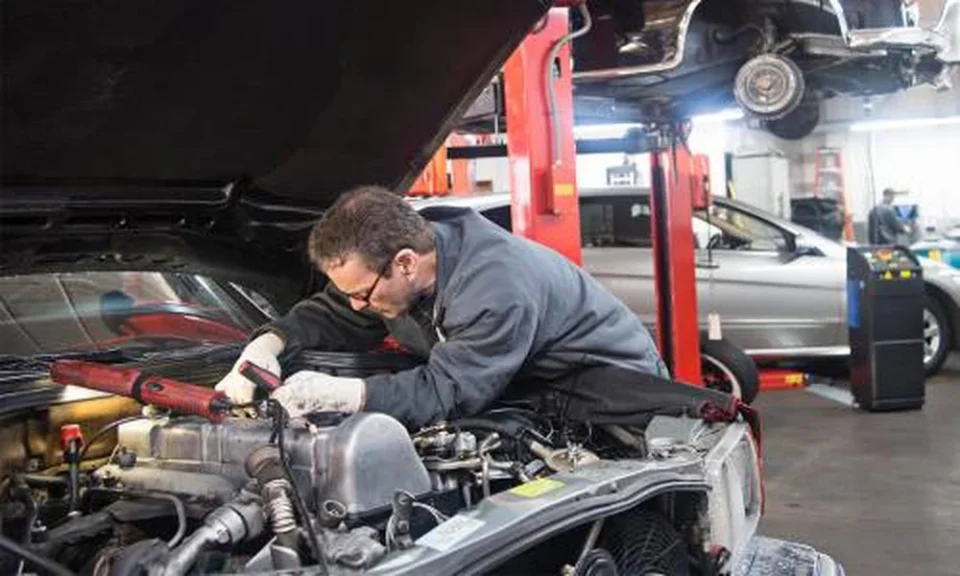
A head gasket seal plays a vital role inside every combustion engine. It creates a strong barrier between the engine block and cylinder head. The gasket keeps coolant and engine oil within their proper passages. It also maintains compression inside each combustion chamber. Over time the seal can weaken because of heat and pressure. Now understanding these causes can help prevent expensive engine damage. Regular inspection from Auto repair in Salem, OR service can identify warning signs before failure becomes severe.
Cylinder Head Warping
The cylinder head depends on a smooth surface for proper gasket sealing. Severe overheating can cause that surface to become distorted. Even slight warping can prevent uniform contact between metal surfaces.
This condition allows combustion gases to escape through weakened areas. Coolant can then enter combustion chambers or engine oil passages. The resulting contamination can create additional mechanical problems. But warped surfaces may not always produce immediate symptoms. A professional inspection can reveal pressure loss and unusual fluid contamination. Brock Automotive can help diagnose these problems before extensive internal damage develops.
Age and Repeated Engine Stress
Head gasket materials eventually experience natural wear from continuous engine operation. Every driving cycle creates repeated pressure and temperature changes. These forces gradually affect the gasket sealing material. Older engines may also develop corrosion around important sealing surfaces. Small coolant leaks can then become larger sealing failures.
Sometimes previous repairs can leave surfaces imperfectly prepared. Poor installation may also create uneven pressure across the gasket. So, correct installation remains essential when replacing a damaged head gasket. Brock Automotive can inspect related components while identifying the original cause of failure.
Warning Signs and Preventive Care
Reduced engine performance can develop when cylinder compression begins escaping. The best approach involves investigating these symptoms without unnecessary delay. Early diagnosis can prevent further damage to pistons and engine components. Regular maintenance from Brock Automotive can also reduce avoidable overheating conditions. Careful servicing protects the engine and supports dependable long term performance.
Frequently Asked Questions
Can short journeys damage a head gasket?
Short journeys can contribute to moisture buildup and incomplete engine warming. This condition may increase contamination risks when maintenance is neglected.
Can coolant additives repair a failing head gasket?
Some additives temporarily reduce minor leaks. They cannot reliably repair serious gasket damage or warped engine surfaces.
Can poor engine oil cause gasket failure?
Poor lubrication increases internal friction and operating temperatures. Those conditions can add stress around already weakened sealing areas.
Does repeated overheating always destroy the gasket?
Repeated overheating increases the risk considerably. Yet prompt cooling system repairs can sometimes prevent permanent gasket damage.
Can a gasket fail without visible coolant loss?
Yes. Compression gases may escape internally without creating an obvious external coolant leak. Professional pressure testing can reveal hidden sealing problems.
