
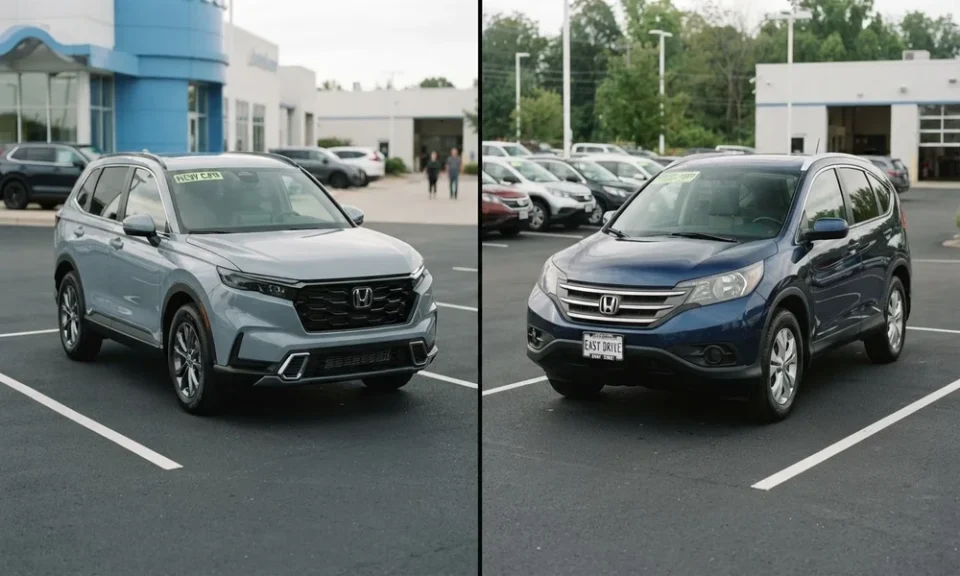
Vehicle shopping often starts with one simple question about price. Yet purchase cost only shows part of the financial picture. A new model brings current equipment, fresh components, and factory coverage. A pre-owned option can reduce the starting amount considerably. For shoppers visiting Mike Calvert Ford of Houston dealership, comparing equipment, condition, pricing, and ownership plans can make each choice easier to understand.
New Models Offer Current Equipment
New vehicles bring the latest available features for drivers. Updated safety tools can support easier daily driving. Connectivity functions may also suit modern routines better. Buyers can select preferred trims and equipment before purchase. That flexibility matters when specific features shape daily needs.
Used Options Can Preserve More Budget
Pre-owned vehicles often require less money upfront. That difference can leave funds for insurance, registration, or upkeep. Still, lower pricing needs careful examination before purchase. Mileage provides useful context about previous use. Service records can reveal how well a vehicle received care.
Which Costs Shape Ownership Most?
The purchase amount does not end financial planning. Fuel use can affect regular household spending over time. Insurance pricing may differ between newer and older models. Maintenance needs can also change with vehicle age. Depreciation matters when future resale becomes part of planning.
- Review maintenance records before making comparisons.
- Check mileage alongside the vehicle’s condition.
- Estimate insurance expenses for each option.
- Consider expected repair costs over ownership.
- Include financing charges in total calculations.
Vehicle History Adds Useful Context
A used vehicle carries information from earlier ownership. Service documents can show completed maintenance and repairs. Physical condition then adds another useful layer. At Mike Calvert Ford of Houston dealership, shoppers can consider both history and present condition together. This approach helps separate attractive pricing from genuine value.
Can New Features Change The Equation?
New technology can influence the purchase decision. Updated displays may simplify access to common vehicle functions. Safety systems can also provide added driving assistance. However, useful equipment depends on personal driving habits. A buyer needing basic transportation may value condition more.
Ownership Length Changes The Calculation
Short ownership can place greater weight on purchase price. Longer plans can make maintenance and depreciation more important. New vehicles may offer predictable early ownership needs. Pre-owned choices can provide lower entry costs instead. The expected ownership period connects these factors into one decision.
Price Should Not Stand Alone
A cheaper vehicle may create higher future expenses. A newer model may require greater initial spending. Neither figure explains the entire ownership picture alone. Consider a vehicle needing early tire replacement after purchase. That small detail can change an apparently lower price. Careful comparison therefore turns pricing into context rather than conclusion.
FAQs
Do new vehicles always cost more overall?
Not always, because financing, maintenance, insurance, and depreciation can alter total ownership spending.
Does mileage decide a used vehicle’s value?
Mileage matters, although condition, service history, age, and equipment also influence value.
Why should buyers examine ownership costs?
Purchase price shows the starting expense, while ownership costs reveal future financial demands.
Can pre-owned vehicles include newer features?
Yes, recent used models can contain modern safety, connectivity, and convenience equipment.
