
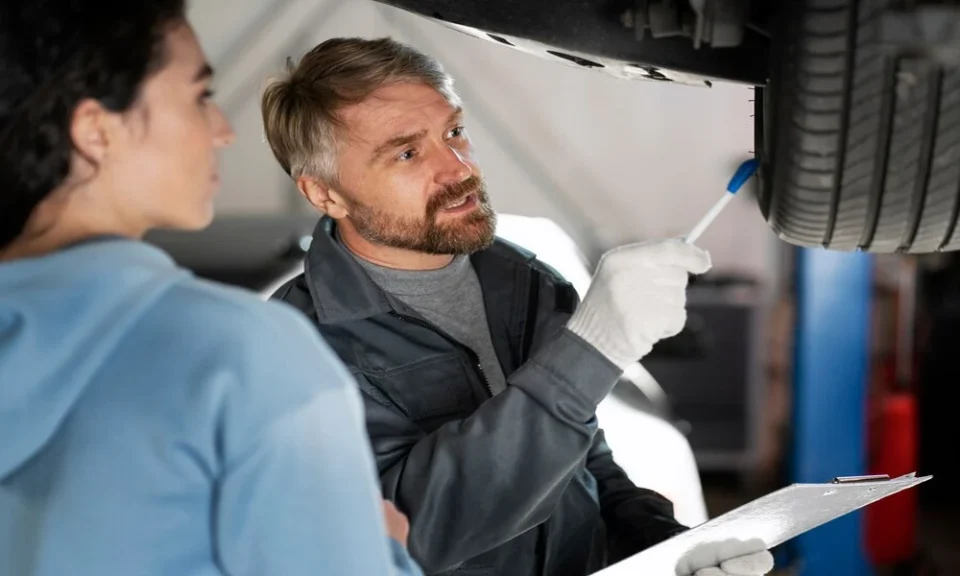
A healthy automatic transmission transfers pure mechanical rotational energy straight to modern drive wheels smoothly. Sometimes, an internal transmission component degrades slowly and hurts engine performance without warning lights. The torque converter connects rotating motor output directly to hydraulic fluid components inside transmissions. But fluid leaks and mechanical drag make engines work significantly harder during normal operation.
The Mechanism of Internal Hydraulic Slippage
Internal turbine fins channel transmission fluid forward to rotate transmission input shafts continuously. A damaged impeller cannot pressurize moving transmission fluid adequately for regular vehicle movement. Mechanics from Locust Street Auto Repair isolate this friction during professional diagnostic tests. Rapid hydraulic fluid deterioration happens when intense friction continuously builds inside older transmissions.
Elevated Operating Temperatures and Viscosity Breakdown
Failing internal bearing assemblies generate immense heat inside enclosed transmission fluid pump compartments. Overheated transmission fluid loses hydraulic pressure and proper lubricating properties across internal parts. Then, critical components encounter heavy mechanical resistance while moving inside hot transmission housings. The engine expends additional chemical energy overcoming this severe unwanted transmission fluid resistance. The experts at Locust Street Auto Repair recommend comprehensive fluid replacements before severe internal damage occurs.
Stator Malfunction and Poor Low Speed Acceleration
A specialized central stator redirects fluid flow to double engine torque output cleanly. Broken one-way stator clutches spin freely instead of redirecting high-pressure transmission oil. Now, low-speed acceleration feels sluggish and unresponsive to regular throttle foot pressure. Drivers press accelerator pedals deeper to achieve reasonable pickup from dead stops. So, precious gasoline burns rapidly during routine stop-and-go neighborhood city driving conditions. Qualified specialists at Auto Repair in Redding, CA service evaluate complex internal stator operation accurately.
Delayed Upshifting Across Higher Transmission Gears
Damaged torque converter assemblies disrupt transmission fluid pressure readings to electronic sensors. The transmission control module delays normal upshifts because engine revolutions stay too high. The staff at Locust Street Auto Repair resets electronic transmission adaptations after replacing worn converter hardware. Correct hydraulic pressures allow seamless timely shifting for optimal long-term vehicle fuel economy.
FAQs
How Does Fluid Aeration Inside Converter Housings Disrupt Lockup Timing?
Air bubbles reduce hydraulic pressure against clutch pistons, so direct drive lockup slips constantly during acceleration.
Can Converter Hub Runout Damage Pump Seals Without Triggering Engine Lights?
Hub wobbles wear front pump seals unevenly, so fluid levels fall slowly without setting immediate sensor fault codes.
Why Does Friction Lining Glaze Worsen Winter Fuel Economy?
Glazed clutch linings cannot grab cold fluid molecules, so slip rates stay unusually high until transmissions warm fully.
Does Contaminated Stator Sprag Assembly Cause Engine Drag at Idle?
Debris locks the one-way sprag, so spinning fluid collides with stationary blades and loads the idling engine.
What Electrical Solenoid Values Confirm Converter Flow Restriction During Tests?
Technicians evaluate fluctuating milliamp readings across converter clutch solenoids, revealing restrictive internal passages and heavy drag.
