
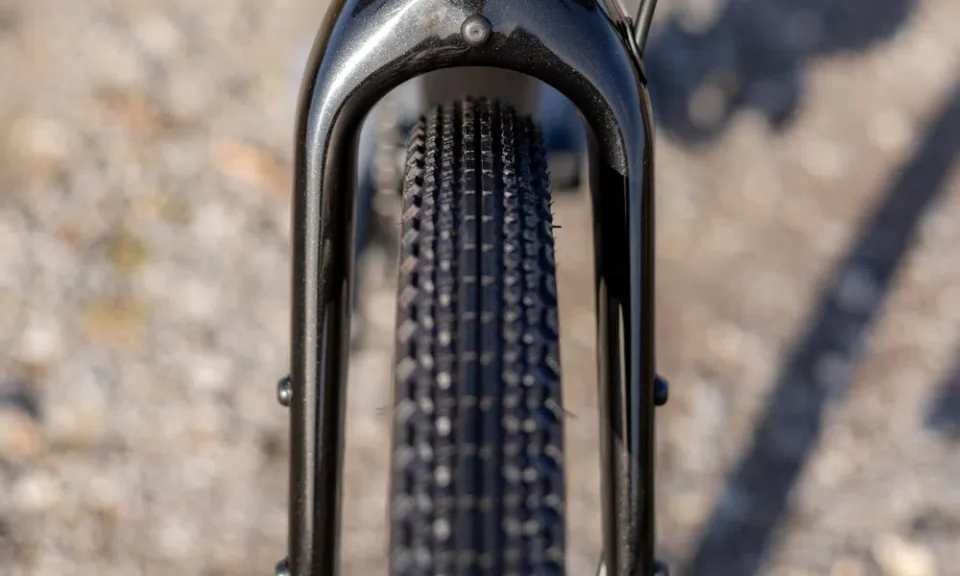
Your daily commute requires reliable equipment, and choosing between tubeless tyre technology and traditional tubed options significantly impacts your riding experience. Modern tubeless tyre systems offer compelling advantages alongside certain challenges that every commuter should understand before making the switch.
Countless riders have experienced that sinking feeling when a puncture strikes during their morning commute. You’re dressed for work, running on schedule, and suddenly you’re stranded roadside with a flat. This scenario drives many commuters to explore tubeless tyre solutions, seeking better puncture resistance and fewer unexpected delays.
Understanding Tubeless Technology for Your Commute
Before examining specific advantages and disadvantages, you need to understand how tubeless systems differ from traditional setups. A tubeless tyre mounts directly onto specially designed rims without requiring an inner tube. Liquid sealant inside the tyre automatically seals small punctures, maintaining air pressure while you continue riding.
This technology has revolutionised mountain biking and is increasingly popular among road cyclists and commuters. The absence of an inner tube eliminates certain failure points while introducing new maintenance considerations that affect your daily riding routine.
Key Advantages of Tubeless Systems
Superior Puncture Protection
The primary benefit drawing commuters to tubeless technology is enhanced tubeless tyre puncture resistance. Small thorns, glass shards, and debris that would instantly deflate a tubed tyre often seal automatically without you noticing. The liquid sealant actively works to close holes up to 6mm in diameter, dramatically reducing roadside repair frequency.
You’ll particularly appreciate this protection when navigating urban environments filled with construction debris, broken glass, and other hazards. Many commuters report going months or even years without experiencing a tubeless tyre puncture that stops their ride.
The elimination of pinch flats represents another significant advantage. These occur when hitting potholes or kerbs compresses the tube between the rim and obstacle, creating characteristic twin holes. Without an inner tube, this failure mode disappears entirely, providing confidence when encountering rough road surfaces.
Enhanced Ride Quality and Performance
Running lower pressures safely transforms your commuting experience. You can typically reduce pressure by 10-15% compared to tubed setups without risking pinch flats. This creates a larger contact patch with the road, improving:
• Grip in wet conditions
• Comfort over rough surfaces
• Rolling efficiency on imperfect roads
• Cornering confidence
• Vibration absorption
Lower pressures allow the tyre to deform around small obstacles rather than bouncing over them, maintaining better momentum and reducing fatigue on longer commutes.
Weight Reduction Benefits
Removing inner tubes saves approximately 100-200 grams per wheel. While this might seem minimal, the weight reduction occurs at the wheel’s outer edge where it most affects acceleration and handling. You’ll notice easier starts from traffic lights and reduced effort maintaining speed.
Temperature management improves without tube-to-tyre friction generating heat. This proves valuable during summer commutes or when frequent braking in traffic would otherwise cause excessive heat buildup.
Challenges and Considerations
Installation Complexity
Converting to tubeless requires more than simply removing tubes. You’ll need:
• Tubeless-compatible rims or conversion tape
• Tubeless-ready tyres
• Tubeless valves
• Sealant
• High-volume pump or compressor
Initial setup often proves challenging, particularly in achieving proper bead seating. Many riders require professional installation. Even experienced mechanics sometimes struggle with certain tyre-rim combinations.
Ongoing Maintenance Requirements
Unlike traditional tubes that require minimal attention between punctures, tubeless systems demand regular maintenance:
Sealant Management
• Check levels every 2-3 months
• Complete refresh every 3-6 months
• Climate affects drying rates
• Dried sealant requires removal
Valve Maintenance
• Regular cleaning prevents clogging
• Dried sealant blocks valve cores
• Replacement sometimes necessary
Pressure Monitoring
• Tubeless setups lose air faster
• Daily pressure checks recommended
• Small leaks develop over time
Field Repair Limitations
While minor punctures self-seal, larger damage exceeds sealant capabilities. Sidewall tears or cuts over 6mm require:
• Tubeless repair plugs (sometimes ineffective)
• Emergency tube installation (negating weight savings)
• Professional repair or replacement
You must carry backup supplies despite improved tubeless tyre puncture resistance, including spare tubes for catastrophic failures.
Making Your Decision
Ideal Candidates for Tubeless
You’ll benefit most from tubeless technology if you:
• Commute daily over significant distances
• Encounter frequent road hazards
• Value comfort and performance
• Maintain your bicycle regularly
• Accept higher initial costs
Urban riders facing glass-strewn bike lanes and pothole-riddled streets find tubeless systems particularly valuable. The reduced puncture anxiety alone justifies conversion for many high-mileage commuters.
When Traditional Tubes Make Sense
Traditional setups remain sensible if you:
• Ride occasionally or seasonally
• Follow well-maintained routes
• Prefer minimal maintenance
• Work within tight budgets
• Lack mechanical confidence
Short-distance commuters on clean suburban roads may never realise sufficient benefits to offset increased complexity and costs.
Practical Implementation Tips
Successfully adopting tubeless technology requires planning. Start by assessing your current wheels’ compatibility. Many modern wheels feature tubeless-ready designs, requiring only tape, valves, and sealant. Older wheels may need replacement.
Choose sealant appropriate for your climate. Standard latex-based formulas work well in moderate conditions, while special formulations handle extreme temperatures better. Eurogrip recommends checking sealant manufacturer guidelines for your specific conditions.
Professional installation ensures proper setup, though learning DIY maintenance proves valuable long-term. Practice at home before relying on roadside repairs. Keep detailed maintenance records tracking sealant refreshes and any issues encountered.
Quality tyres make significant differences in tubeless performance. Premium options like those from Eurogrip feature reinforced beads for secure mounting and optimised rubber compounds that work effectively with sealant. Their tubeless tyre range specifically addresses commuter needs, balancing puncture protection with longevity.
